Follow us on:

.svg)


TSS turkey ammo prices are higher than ever. We spoke directly with a manufacturer to explain what’s driving the increase — and whether it’s still worth the cost.


.png)
Turkey hunters across the country have noticed something this season — TSS turkey ammo prices are higher than ever.
In our recent Review This Thing video, we sat down with Steve West, of Pendleton Ammunition, to get a direct explanation of why Tungsten Super Shot (TSS) has gotten so expensive and what’s actually driving those price increases.
Instead of speculation, this is insight straight from someone inside the industry, who has seen the ups and downs over the years.
Let’s break it down.

TSS stands for Tungsten Super Shot, a high-density pellet material used in premium turkey loads.
Because tungsten is significantly denser than traditional lead, TSS:
That performance advantage is exactly why TSS has become so popular — and why many hunters are willing to pay more for it.
But performance isn’t the main factor influencing the price of each shell.
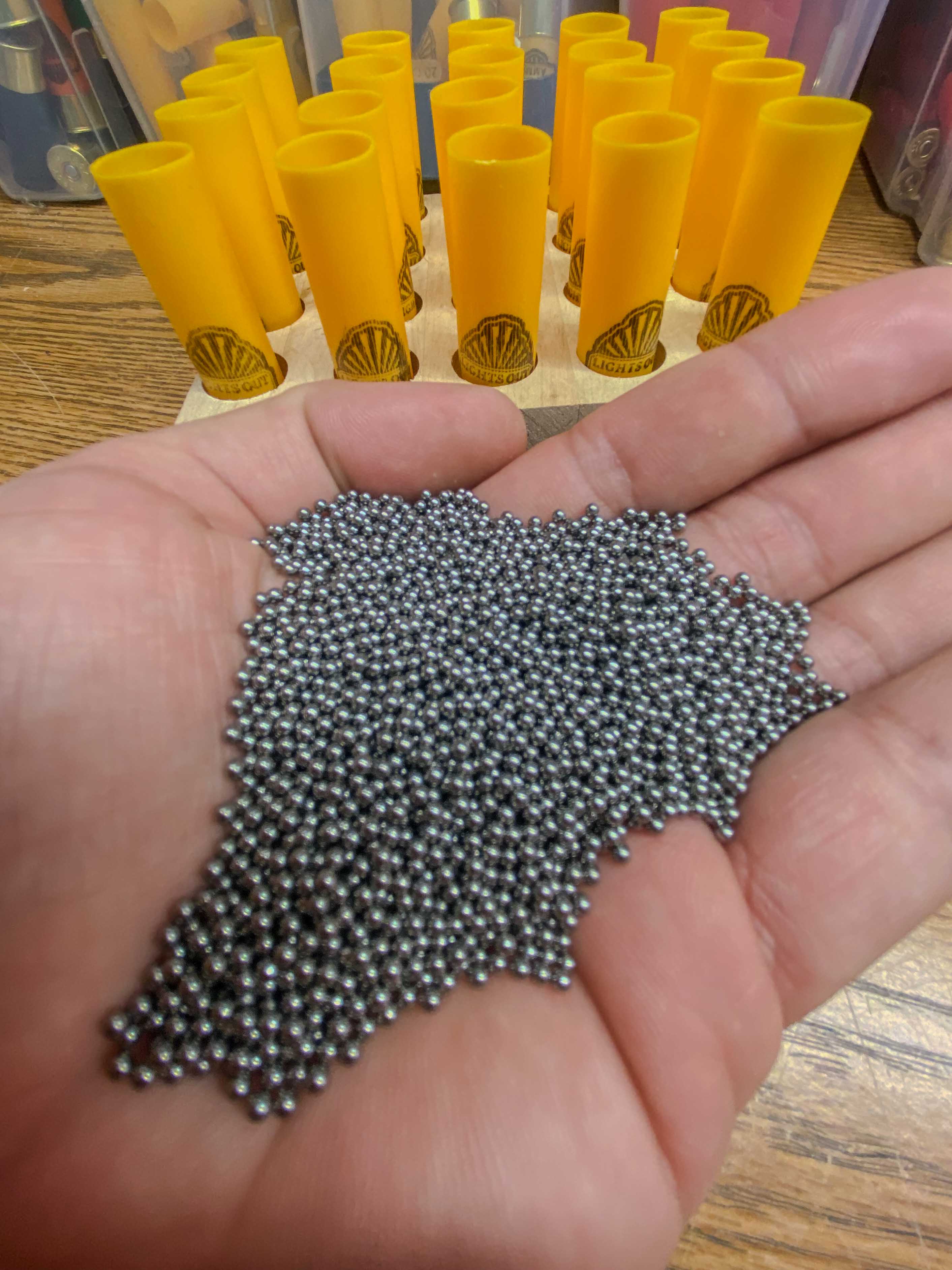
According to several manufacturers we spoke with, the cost of tungsten has increased dramatically.
Tungsten is not cheap to begin with, and it’s used in multiple industries outside of ammunition. When global demand rises, or supply tightens, manufacturers pay more to source it — and that increase eventually shows up on the shelf.
Unlike lead, tungsten is far less abundant and far more expensive to process.
When the base material goes up, the finished product follows.
Without diving deep into the details, a major part of the Tungsten supply chain has changed in the past year. According to several sources, at least 80% of the world’s supply comes from China.
That means most of the tungsten used to make tungsten shot must either be imported from China or sourced indirectly through countries that depend on Chinese supply. A shift in China’s export policies can ripple through the entire market.
Because the US hasn’t been mining tungsten for several years now, we are at the mercy of international suppliers. That means U.S. manufacturers can’t rely on a steady domestic supply, and any international supply disruptions — such as export limits or tariffs — directly affect raw material costs.
With all this, tungsten prices remain high and volatile, and that expense ultimately gets passed down into products like TSS turkey ammo.
Another contributing factor mentioned in our discussion was import tariffs.
A significant portion of tungsten material is sourced internationally. When tariffs are added, manufacturers are paying substantially more before the shot is ever loaded into a shell.
That added cost doesn’t disappear — it gets built into the final retail price.
This isn’t about brand markup. It’s about the increased cost before manufacturing even begins.
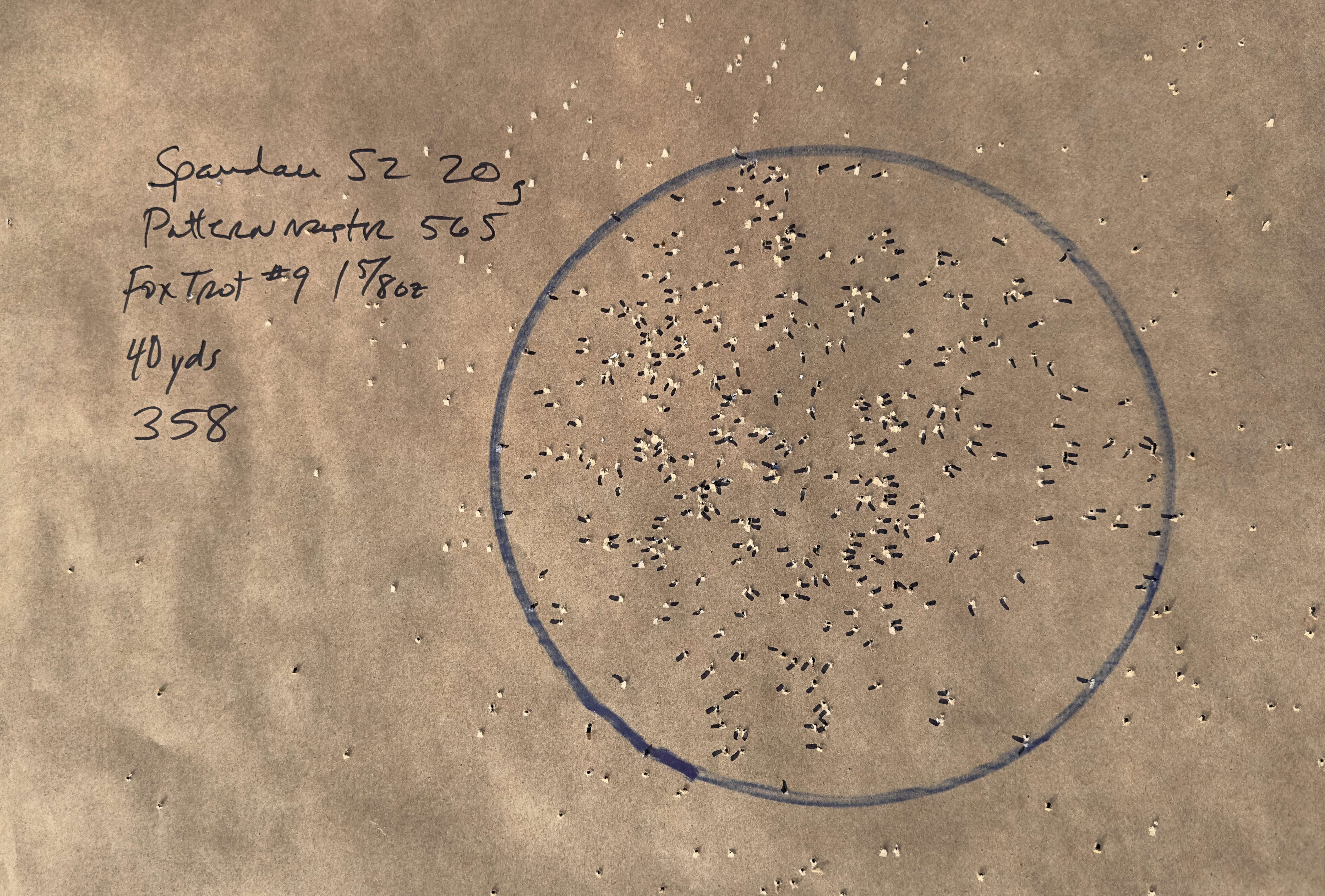
Even with higher prices, many turkey hunters are still buying TSS. Why? Simply put, because it works.
When hunters see the pattern density and downrange performance, many decide the cost is justified — especially since most hunters fire only one or two shells per season. Couple that with the fact that sub-gauges like .410, 28, and 20 can be increasingly lethal with TSS loads, and many youth and women hunters now feel more comfortable in the woods. Yes, there’s still recoil from those turkey slayers, but significantly less than the old standard 12-gauge.
The opportunity to provide a new hunter with an easier-to-carry shotgun, less recoil, and still lethal at normal ranges means the demand for TSS turkey shells may change from time to time, but it’s not going away.
Not only are many hunters continuing to purchase TSS shells, but an increase in demand for military applications has increased across the board.
As long as demand remains strong, prices are unlikely to fall significantly.
In the video, we discussed how prices have climbed substantially compared to just a few seasons ago.
Where hunters once paid $50-$65 per box, many are now seeing prices that feel shocking at checkout. We’ve seen prices that range, depending on what gauge you’re purchasing, from $75-$120 per box for 5 shells.
When you break it down per shell, though, it becomes easier to justify for some hunters — especially considering how rarely turkey shells are actually fired in a season.
Still, there’s no denying the increase is real.
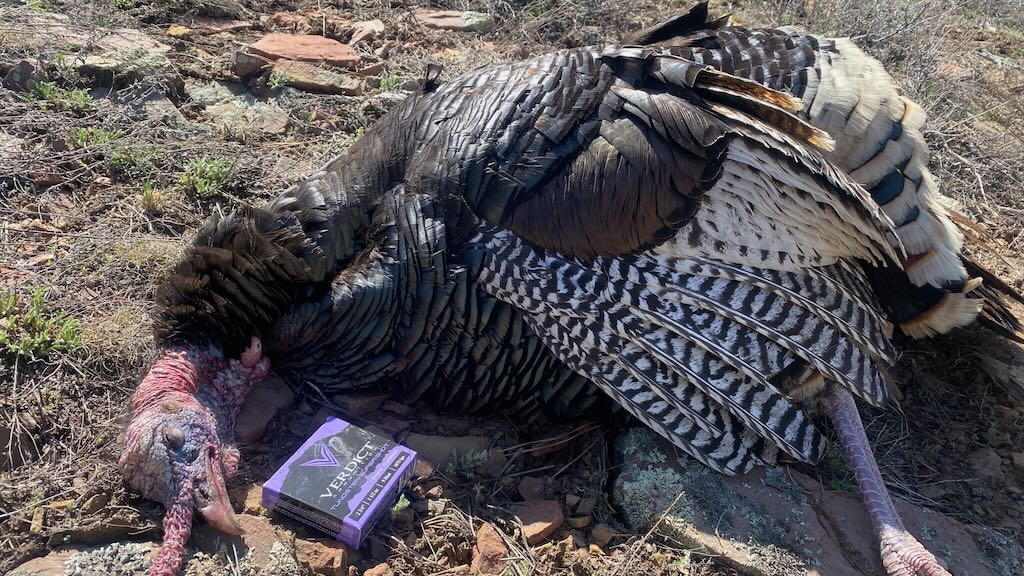
That depends entirely on your hunting style.


The key takeaway from our discussion: TSS is expensive because it costs more to make, not simply because companies arbitrarily raised prices.
The Future of TSS Pricing
Based on what we learned, prices are largely tied to:
Unless those factors shift significantly, dramatic price drops are unlikely in the short term.
That said, manufacturers continue looking for ways to offer more affordable alternatives while maintaining performance.
A: TSS is made from tungsten, a dense and costly metal. Increased raw material costs, supply chain difficulties, import tariffs, and more complex manufacturing processes have all contributed to rising retail prices.
A: No. Prices have increased significantly over the past year due to rising tungsten costs and import-related expenses.
A: For hunters seeking maximum range and pattern density, many believe it is. However, if you consistently shoot at close range, premium lead loads may be sufficient and more affordable.
A: Prices depend heavily on global tungsten supply and trade policies. Unless those factors change, prices are likely to remain elevated.
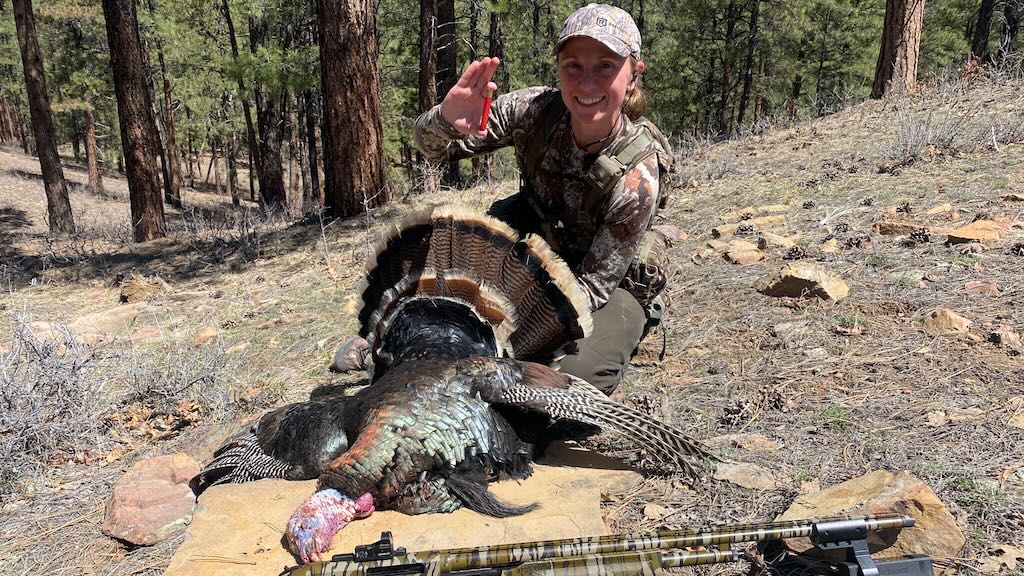
TSS turkey ammo has changed the game for turkey hunters — but that performance comes at a cost.
After speaking directly with several ammunition manufacturers, it’s clear that higher prices are largely driven by increased material costs, supply chain interruptions, and tariffs, not simply retail markup.
Understanding why prices are higher helps hunters make informed decisions heading into turkey season.
If you haven’t watched the full conversation yet, check out our video on the Review This Thing YouTube channel, where we break it down in detail.
Robbie has enjoyed the outdoors since he can remember. His earliest memories include hours upon hours of squirrel hunting and learning how to enjoy all aspects of hunting season in God's wonderful outdoors. Now he is always working hard and testing gear in the field to give you the best review and most thorough information he possibly can.
All opinions are ours. Some items we receive for free, borrow, or purchase at a discount, but this never impacts our opinions or freedom to report them.
Also, most product links you see are affiliate links - meaning that we may earn a small commission if you click it and make a purchase. (We greatly appreciate your support in doing this!!!)
.svg)